
Beating the Spring Humidity: Essential Moisture Control for Finished Basements
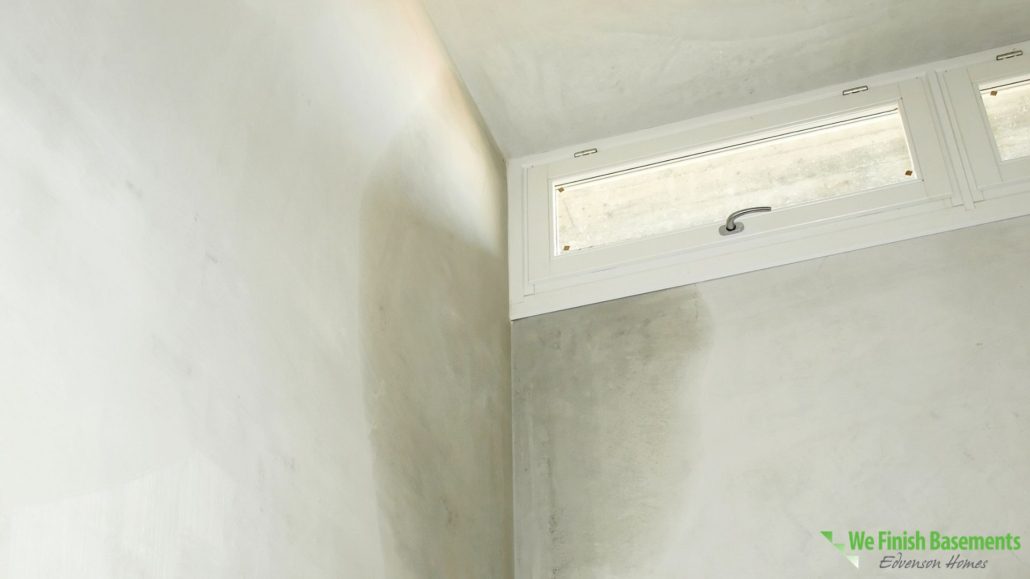
Spring in Minnesota is a season of transformation. But as the snow melts and the April rains settle into the soil around your Woodbury or Lakeville home, that refreshing thaw can turn into a subterranean headache.
At We Finish Basements, we believe a beautiful basement is only as good as its moisture defense. If you want to protect your investment in 2026, you need a proactive strategy to handle the unique humidity challenges of a Midwestern spring.
1. The Science of the “Spring Melt”
In Minnesota, the ground often remains frozen while the surface thaws. This creates a “perched water table” that exerts hydrostatic pressure against your foundation.
- The Risk: Water doesn’t just come in through cracks; it can seep through solid concrete as vapor.
- The 2026 Solution: We utilize advanced crystalline waterproofing technology that penetrates the concrete pores, creating an impermeable barrier that still allows the material to “breathe” without letting liquid through.
2. Smart Dehumidification: Beyond the Portable Unit
Gone are the days of manually emptying a plastic bucket every six hours. Modern moisture control is integrated and automated.
- Whole-Home Integration: We install dedicated, high-capacity dehumidifiers that tie directly into your basement’s HVAC and floor drains.
- AI Monitoring: Using smart sensors, your system can detect a 5% spike in humidity—often before you even feel it—and adjust the airflow to maintain a crisp 45%–50% humidity level.
3. Materials Matter: Inorganic is In
When we finish a basement, we select materials that offer no “food” for mold.
- Metal Studs & Purple Board: Traditional wood and paper-faced drywall are organic. In 2026, we prioritize mold-resistant fiberglass-faced drywall and steel framing in high-moisture zones.
- Luxury Vinyl Plank (LVP): This remains the gold standard for Minnesota basements. It provides the look of wood but is entirely waterproof and unaffected by seasonal shifts in ground temperature.
 4. Proper Air Exchange (ERV Systems)
 4. Proper Air Exchange (ERV Systems)
Humidity isn’t just about water; it’s about stagnant air. We often recommend Energy Recovery Ventilators (ERVs). These systems swap out stale, humid basement air for fresh outdoor air while pre-cooling and dehumidifying the incoming stream, ensuring your “lower level” never smells like a “basement.”
FAQ
What is the ideal humidity level for a finished basement in Minnesota?
For comfort and health, you should aim for 45% to 50%. Anything over 60% significantly increases the risk of mold growth and dust mite activity.
Do I really need a dehumidifier if I don’t see standing water?
Yes. In Minnesota, humidity is often “invisible” vapor moving through porous concrete. Constant dehumidification protects your electronics, musical instruments, and drywall from warping.
Can landscaping affect my basement’s humidity?
Absolutely. Ensure your gutters are clear of spring debris and that your soil grade slopes at least 6 inches away from the foundation over the first 10 feet.


