
Crafting a Basement Craft Room or Hobby Studio with Custom Storage
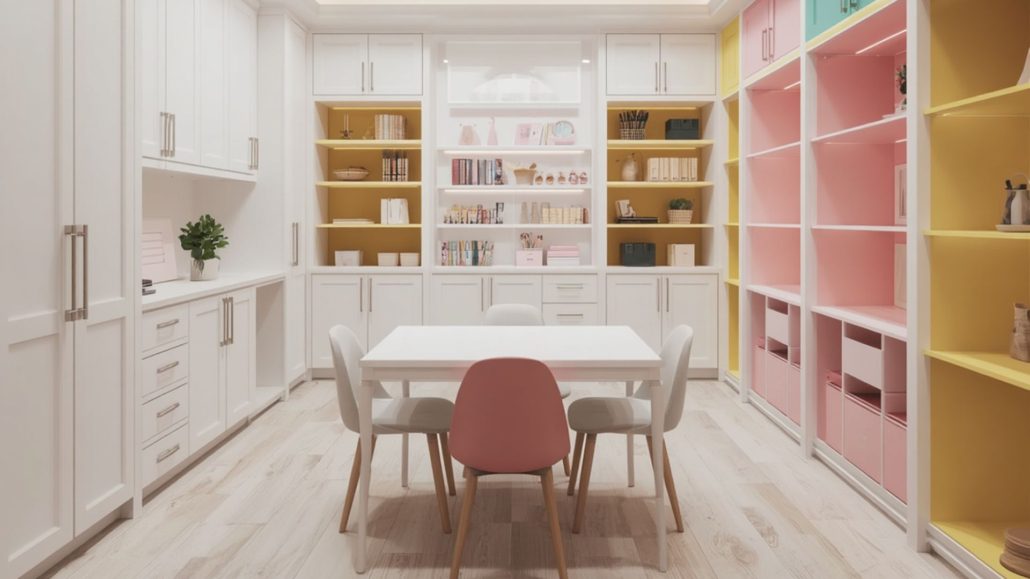
Whether you are an avid quilter, painter, woodworker, or DIY enthusiast, having a dedicated area to unleash your creativity makes all the difference. In Minnesota, where long winter months mean more time spent indoors, transforming an unused lower level into a vibrant basement craft room or hobby studio is one of the smartest home improvements you can make.
1. Tackle Local Minnesota Basement Essentials First
Before installing custom cabinetry or setting up your cutting tables, you must ensure your lower level is built to handle the region’s climate. Craft materials—especially paper, fabrics, canvases, and wood—are highly sensitive to moisture and temperature fluctuations.
- Moisture & Humidity Control: Minnesota basements are notoriously prone to seasonal humidity shifts. We recommend integrating continuous vapor barriers, high-efficiency dehumidification systems, and proper subfloor insulation to keep supplies dry and prevent mold.
- Layered Lighting Systems: Unfinished basements suffer from limited natural light. A functional studio requires a blend of recessed ambient ceiling lights, task lighting directly over workbenches, and color-accurate LED fixtures (aim for a high CRI rating of 90+) so your paint colors and fabric dyes remain true.
- Thermal Comfort: Cold concrete floors make sitting or standing uncomfortable during a local winter draft. Upgrading to subflooring systems combined with water-resistant luxury vinyl plank (LVP) creates a warm, resilient foundation.
2. Build Around Smart Custom Storage Solutions
The single most important element of any productive hobby studio is organization. Standard off-the-shelf shelving rarely accounts for the unique sizes of craft supplies or the vertical space available in a finished basement.
Custom Cabinetry & Deep Drawers
Enclosed storage keeps visual clutter to a minimum, making your basement feel larger and cleaner. Deep, full-extension drawers are ideal for oversized paper, fabric bolts, and heavy tools, while adjustable shelving accommodates changing project sizes over time.
Slatwalls & Floor-to-Ceiling Pegboards
Vertical space is your best friend in a lower-level finish. Heavy-duty pegboards or integrated slatwall systems allow you to hang scissors, thread spools, paint tubes, and power tools right at eye level, freeing up valuable countertop space.
Dedicated Craft Islands & Ergo Workstations
A custom center island equipped with built-in cubbies, pull-out trash bins, and integrated power outlets provides 360-degree access for large projects. We can design built-in counters at dual heights—standing height for cutting and wrapping, and standard desk height for sewing or detailed drawing.
 3. Electrical, Ventilation, and Soundproofing Considerations
 3. Electrical, Ventilation, and Soundproofing Considerations
A truly professional hobby room goes beyond basic drywall and paint:
- Plentiful Power Outlets: Heat guns, sewing machines, glue guns, 3D printers, and task lights demand adequate power. We strategically position outlets along backsplashes, inside island cabinets, and along workbenches to eliminate messy extension cords.
- Specialized Ventilation: If your craft involves oil painting, airbrushing, resin casting, or soldering, adequate air exchange is essential. We incorporate localized exhaust fans or dedicated ventilation returns to keep your home’s air clean.
- Sound Attenuation: If you use power tools or listen to music while crafting, acoustic insulation in the interior walls and ceiling joists keeps sound contained, preventing disruption to the rest of the household.
4. Why Partner with We Finish Basements?
Designing a specialty basement space requires local expertise, precision craftsmanship, and an understanding of Minnesota building codes. At We Finish Basements, we manage your project from initial layout and moisture testing to custom cabinet installation and final trim work.
FAQ
How much does it cost to build a craft room in a Minnesota basement?
Costs vary depending on square footage, moisture mitigation needs, electrical upgrades, and the complexity of custom storage built-ins. Contact We Finish Basements for an accurate, on-site consultation and quote tailored to your home.
How do I protect my craft supplies from basement humidity?
Proper moisture protection starts behind the walls with quality insulation and vapor barriers. Additionally, running a dedicated dehumidifier or incorporating your basement into a climate-controlled HVAC system keeps relative humidity below 50%, protecting paper, fabrics, and wood.
What is the best flooring for a basement craft studio?
Luxury Vinyl Plank (LVP) and tile are top choices. LVP is 100% waterproof, durable, comfortable underfoot when paired with proper subflooring, and easy to clean if paints, dyes, or glues spill.
Can I add a sink or wet area to my basement hobby room?
Yes. Adding a utility sink or wet bar area makes cleaning brushes, washing hands, and preparing materials simple. We evaluate your existing plumbing layout to integrate a sink efficiently into your custom cabinetry design.


